

Diversity, Equity, Inclusion, Justice, and Belonging (DEIJB)
Cedarwood Waldorf School’s DEIJ Board Committee is dedicated to fostering a diverse, equitable, and inclusive community that upholds the dignity of every individual, ensuring that all students, families, and faculty feel valued, respected, and empowered to thrive. Cedarwood Waldorf School envisions a vibrant, inclusive community where all individuals feel a deep sense of belonging and are inspired to contribute to a diverse, just and compassionate world.
The DEIJB Board Committee envisions a school where diversity, equity, inclusion, justice and belonging policies guide faculty, administration, students, and families, fostering an environment of respect, understanding, and collaboration that empowers everyone to thrive and nurtures a strong sense of community.
Cedarwood Waldorf acknowledges that Rudolf Steiner’s language reflected that of his time, and some of his language reflected the historical and cultural context in which he spoke. Steiner’s belief in anthroposophy aims to develop the whole being. Steiner’s belief in the development of the whole human involved an understanding that each human has a spiritual, intellectual, and physical dimension guided by free will, and ultimately moving towards greater freedom and spiritual awakening.
Here at Cedarwood, we are actively addressing DEIJB issues, revising curriculum, and increasing awareness by promoting empathy, cultural understanding, and social responsibility.
Core Values
Respect
We honor and appreciate the diverse identities, cultures, and experiences of all community members.
1
Equity
We ensure fair treatment, access, opportunity, and advancement for all individuals while striving to identify and eliminate barriers that have prevented the full participation of some groups.
2
Inclusion
We actively invite the contribution and participation of all people, valuing diverse perspectives and ensuring that everyone feels welcomed and valued.
3
Belonging
We foster an environment where everyone feels accepted, valued, and connected to the school community.
4
Commitment to Justice
We actively work to dismantle systemic inequities within our school and the broader society, promoting social justice and equality for all.
5
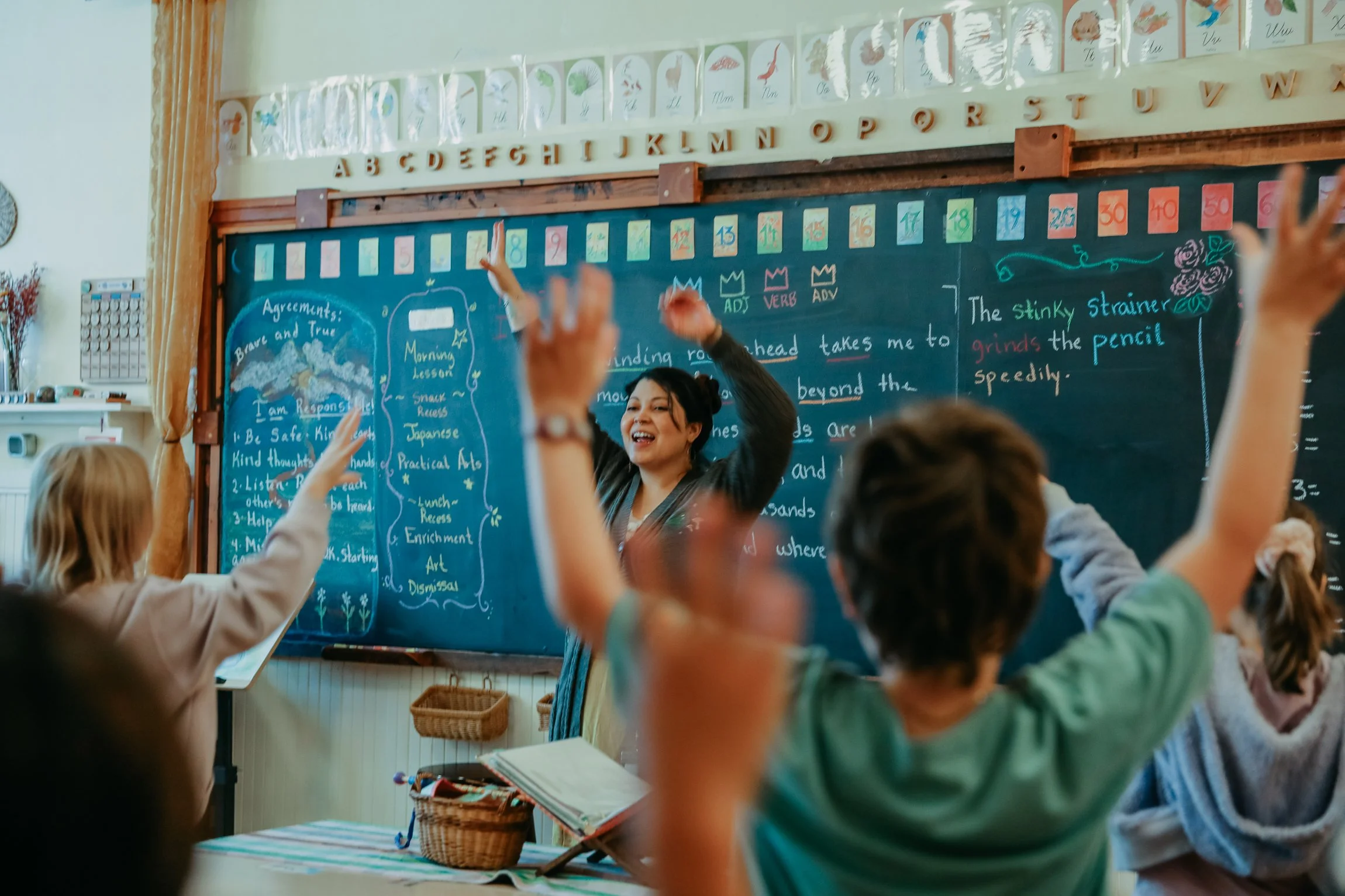
Our Values Made Visible Through Action
Our DEIJB Board Committee has finalized a new Charter. Our goal is to lead and support the school’s efforts in creating an inclusive, equitable, and diverse community. The DEIJB Committee meets monthly to deepen and advocate for this work. Looking ahead, the committee plans to launch a subcommittee book club open to all community members, creating opportunities for meaningful conversations around DEIJ. The faculty and DEIJB committee remain committed to ongoing education and engagement throughout the year.
DEIJB Festivals and Celebrations
Throughout the year Cedarwood faculty and staff incorporate diverse perspectives, stories, experiences, and traditions into the curriculum. This is seen in the stories they tell, the events they celebrate, the projects they create, and the work they put back into the community. Below is a list of some of the major holidays, celebrations, and recognitions that are incorporated into the school community each year.
While this list reflects many of our annual traditions, and we continue to expand and adapt our celebrations to better reflect our evolving community. If you have suggestions or additions, please email deijbcommittee@cedarwoodschool.org.
February
Black History Month
Lunar New Year
March
Women’s History Month
Ramadan
Persian New Year (Nowruz)
April
Passover
May
Asian and Pacific Islander Heritage Month
Japanese Children's Day
June
Pride Month
Juneteenth
September
Hispanic & Latino Heritage Month (Sept. 15 - Oct. 15)
Rosh Hashanah
Yom Kippur
October
Hispanic & Latino Heritage Month (Sept. 15 - Oct. 15)
Indigenous People's Day
November
Native American Heritage Month
Dia De Los Muertos
Diwali
December
Hannukkah
January
Disabilities Awareness Month
MLK Celebration
AWSNA
Cedarwood Waldorf is dedicated to the Association of Waldorf Schools of North America, which maintains education for the spiritual, anthroposophical, and conscious growth of faculty, staff, and board members. Cedarwood faculty have participated in various professional development opportunities. A primary focus was on Culturally Responsive Teaching through training with Alma Partners. Additional training included a session on Neurodiversity with Nina Gallaway, as well as participation in the Ohana Program. Currently, the faculty is engaged in a study of Restorative Justice in Education by Katherine Evans and Dorothy Vaandering. Over the years readings have been studied that include, Bright Ribbons by lotus Linton Howard, Culturally Responsive Teaching & The Brain by Zaretta Hammond, We Can’t Teach What We Don’t Know by Gary R. Howard, and Learning and Teaching While White by Jenna Chandler-Ward and Elizabeth Denevi.
DEIJB Committee
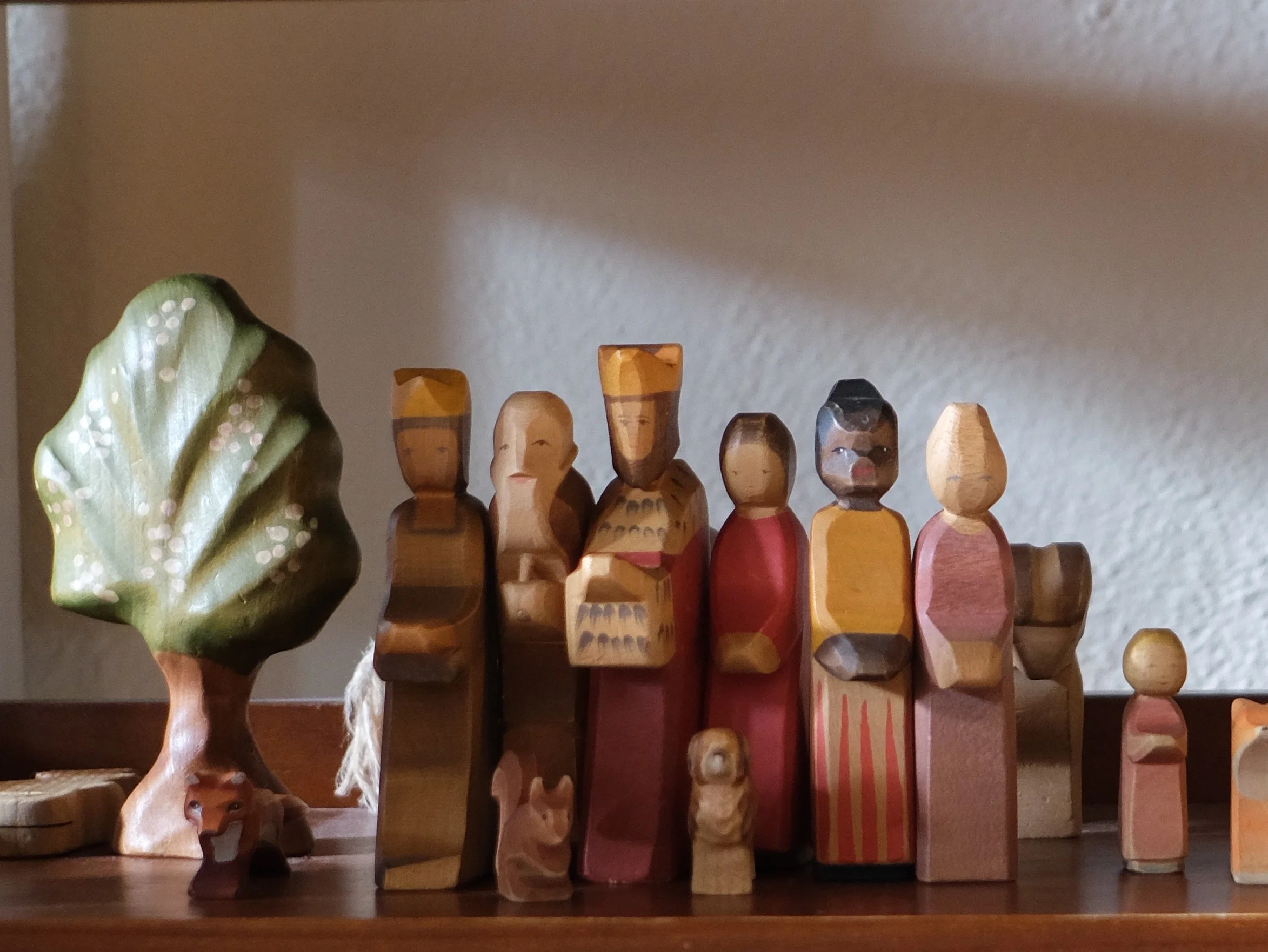
The DEIJB Committee is a collaborative group of faculty, administrators, and parents dedicated to fostering a school culture rooted in diversity, equity, inclusion, justice, and belonging. We meet monthly to reflect, learn, and support initiatives that strengthen our community. Our work includes encouraging dialogue, sharing resources, supporting school-wide celebrations, and helping Cedarwood continue to grow in meaningful and responsive ways.
If you are interested in learning more or joining the committee, we warmly welcome you to reach out at deijbcommittee@cedarwoodschool.org.
The “Celebrate” Library
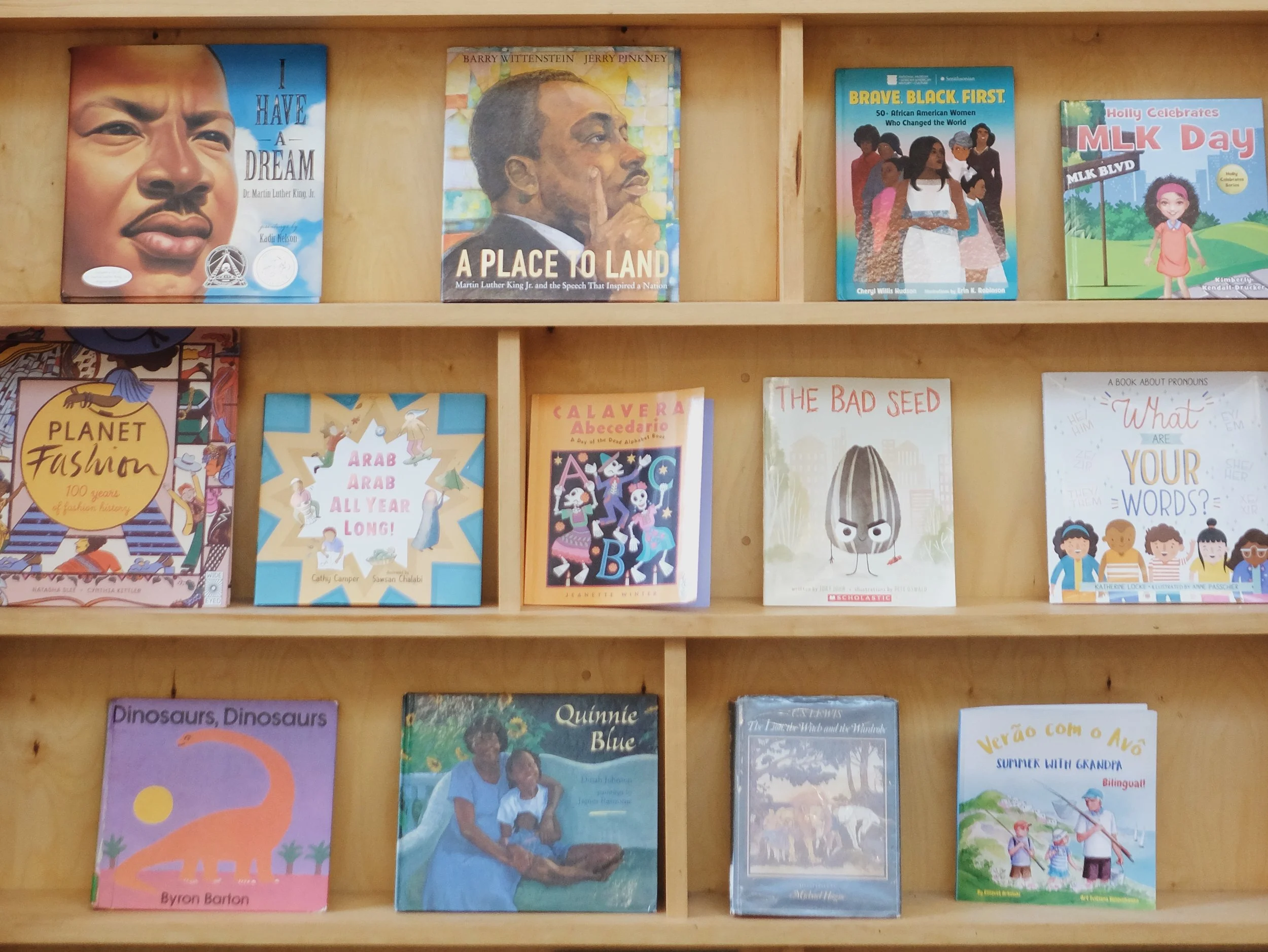
Located on the second floor of the building, our Library is a dedicated space serving students from pre-k through grade 8. As part of our ongoing efforts to keep our resources dynamic and reflective of our community, we are refreshing and rotating the collection throughout the year. Curated book selections will connect with heritage months, seasonal themes, and topics being explored in the classroom.
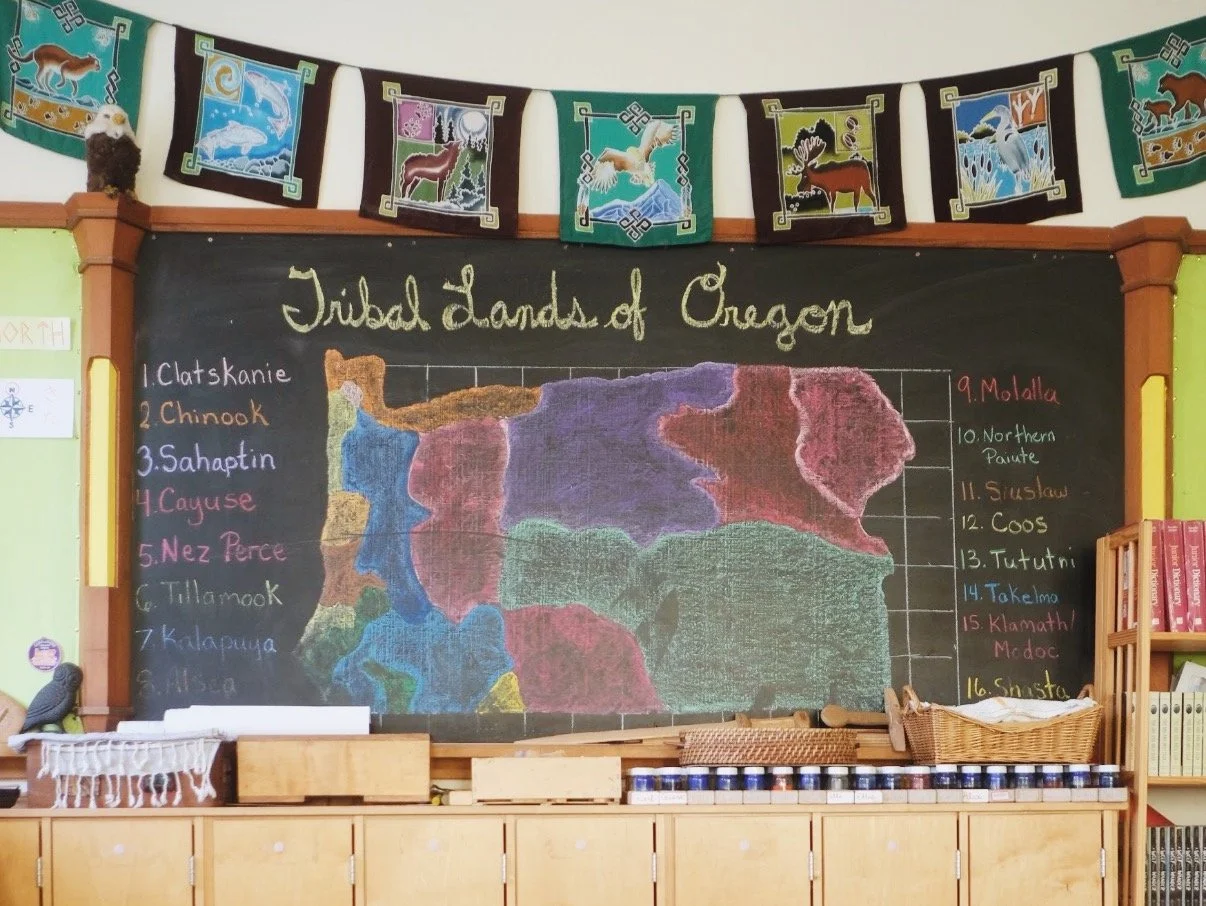
Land Acknowledgement
At Cedarwood Waldorf, we stand on the ancestral land of the Multnomah, Wasco, Kathlamet, Clackamas, Cowlitz, Tualatin, Molalla, Kalapuya, and Bands of Chinook peoples. We honor this as unceded and ancestral land.